
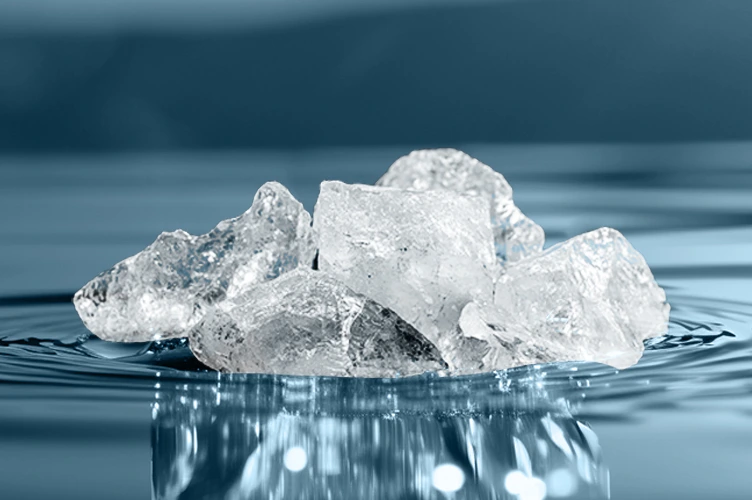
In recent years, the diamond industry has undergone a significant transformation. With the rise of sustainability and ethical practices in consumer decision-making, lab-grown diamonds have emerged as a popular alternative to natural diamonds. Among the various methods used to create synthetic diamonds, Chemical Vapor Deposition (CVD) stands out for its efficiency and quality. This article explores the world of lab-grown diamonds with a special focus on CVD technology, comparing them with natural diamonds and outlining their benefits, challenges, and future prospects.
What Are Lab-Grown Diamonds?
Lab diamonds cvd, also known as man-made or synthetic diamonds, are diamonds that are created in a laboratory environment rather than formed naturally over billions of years beneath the Earth’s surface. These diamonds are physically, chemically, and optically identical to mined diamonds, meaning they are real diamonds in every sense except for their origin.
Methods of Creating Lab-Grown Diamonds
There are two primary methods used to grow diamonds in labs:
1. High Pressure High Temperature (HPHT)
This technique mimics the natural process of diamond formation using extremely high pressure and temperature. A small diamond seed is placed in carbon, which is then subjected to high pressure and heat, causing the carbon to crystallize around the seed.
2. Chemical Vapor Deposition (CVD)
CVD is a newer and more advanced method that involves placing a diamond seed into a vacuum chamber filled with carbon-rich gases, usually methane and hydrogen. These gases are heated into a plasma state, causing carbon atoms to bond and build up on the seed crystal, layer layer, forming a diamond over time.
Understanding the CVD Process
How CVD Works
The CVD method uses relatively lower temperatures and pressures compared to HPHT. It allows for greater control over the diamond’s growth process, making it easier to produce high-quality, nearly flawless diamonds. The process involves the following steps:
-
Preparation: A diamond seed is placed on a substrate inside a vacuum chamber.
-
Gas Injection: A mixture of methane and hydrogen gases is introduced.
-
Plasma Activation: The gases are energized using microwaves or other methods, creating a plasma.
-
Carbon Deposition: Carbon atoms from the gas attach themselves to the seed crystal.
-
Growth: The diamond grows layer layer over several weeks.
Advantages of CVD Diamonds
-
Purity and Clarity: CVD diamonds often contain fewer impurities, making them clearer and more desirable.
-
Customization: CVD allows for precise control over the shape, size, and color of the diamond.
-
Environmentally Friendly: The CVD process uses less energy and causes less environmental damage compared to traditional mining.
Lab-Grown Diamonds vs Natural Diamonds
| Feature | Lab-Grown Diamonds | Natural Diamonds |
|---|---|---|
| Origin | Grown in a lab | Formed in Earth’s mantle |
| Time to Create | A few weeks | Billions of years |
| Cost | 30-40% cheaper | More expensive |
| Environmental Impact | Lower | High (mining) |
| Ethical Issues | None | Often linked to conflict |
Misconceptions About Lab-Grown Diamonds
“They Are Fake Diamonds”
This is a common myth. Lab grown diamonds are real diamonds with the same chemical and physical properties as natural ones. Only experts with specialized equipment can tell the difference.
“They Lack Value”
While it’s true that lab diamonds may have a lower resale value compared to natural diamonds, they offer significant value in terms of cost, ethics, and sustainability.
The Market and Popularity
Lab-grown diamonds are increasingly popular among millennials and Gen Z consumers who prioritize sustainability and ethical sourcing. Jewelers and major brands have also started to offer lab-grown options due to high demand.
-
Jewelry: Engagement rings, earrings, pendants, and more.
-
Industrial Use: Due to their hardness, lab diamonds are also used in cutting tools, electronics, and semiconductors.
Benefits of Choosing Lab-Grown Diamonds
Eco-Friendly
Lab-grown diamonds require less water and energy and do not result in the environmental degradation associated with mining.
Ethically Produced
They are 100% conflict-free, eliminating concerns over “blood diamonds” that fund war and human rights abuses.
Affordable
Lab diamonds are typically 30-40% cheaper than natural diamonds, offering the same beauty and brilliance for a fraction of the price.
Challenges and Considerations
Market Saturation
As technology improves and production scales, prices may drop further, potentially affecting long-term investment value.
Perception
Despite their quality, some traditionalists still prefer natural diamonds for their rarity and romantic appeal.
The Future of CVD and Lab-Grown Diamonds
CVD technology continues to evolve, producing larger, clearer, and more customized diamonds. With increasing global focus on sustainability, lab-grown diamonds—especially those created using CVD—are expected to play a major role in the future of the jewelry and industrial sectors.
Conclusion
Lab-grown diamonds, particularly those produced via the CVD process, represent the future of the diamond industry. They offer a perfect blend of beauty, ethical production, and environmental responsibility. Whether for an engagement ring or industrial application, lab-grown diamonds are a modern, smart, and sustainable choice.
As technology continues to refine the quality and efficiency of diamond synthesis, it’s only a matter of time before lab-created diamonds become the new standard in brilliance and value.


